What DoesDemocracy Look Like?
Questions that cross every divide. Infrastructure built to hold what communities carry.
Questions in the Air
Questions that cross every divide. Infrastructure built to hold what communities carry.
When people move from the issues they carry to the questions beneath them, something unexpected happens — they find themselves connected to people they never imagined they were aligned with. The way issues are framed separates us. A question doesn’t. It raises the pain point and the hope point at once, and lets people meet each other there.
Shaped by lived experience, unfinished history, and everyday survival — the knowledge embedded in how people navigate being alive is not anecdote. It is intelligence. And it has never been treated as the foundation of how we decide what matters.
Our Voices Unbound is the infrastructure built to change that. A national civic inquiry. A 20-year archive. An engine that surfaces, connects, and returns that knowledge to the communities who generated it — so it can finally do what it was always capable of.
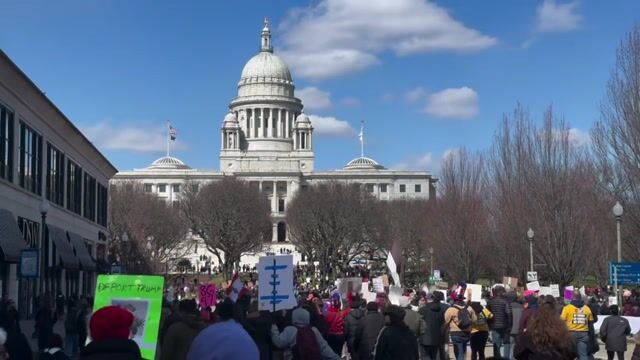
We begin in America — in the 250th year of its democracy, under siege — but the questions don't stop at any border.
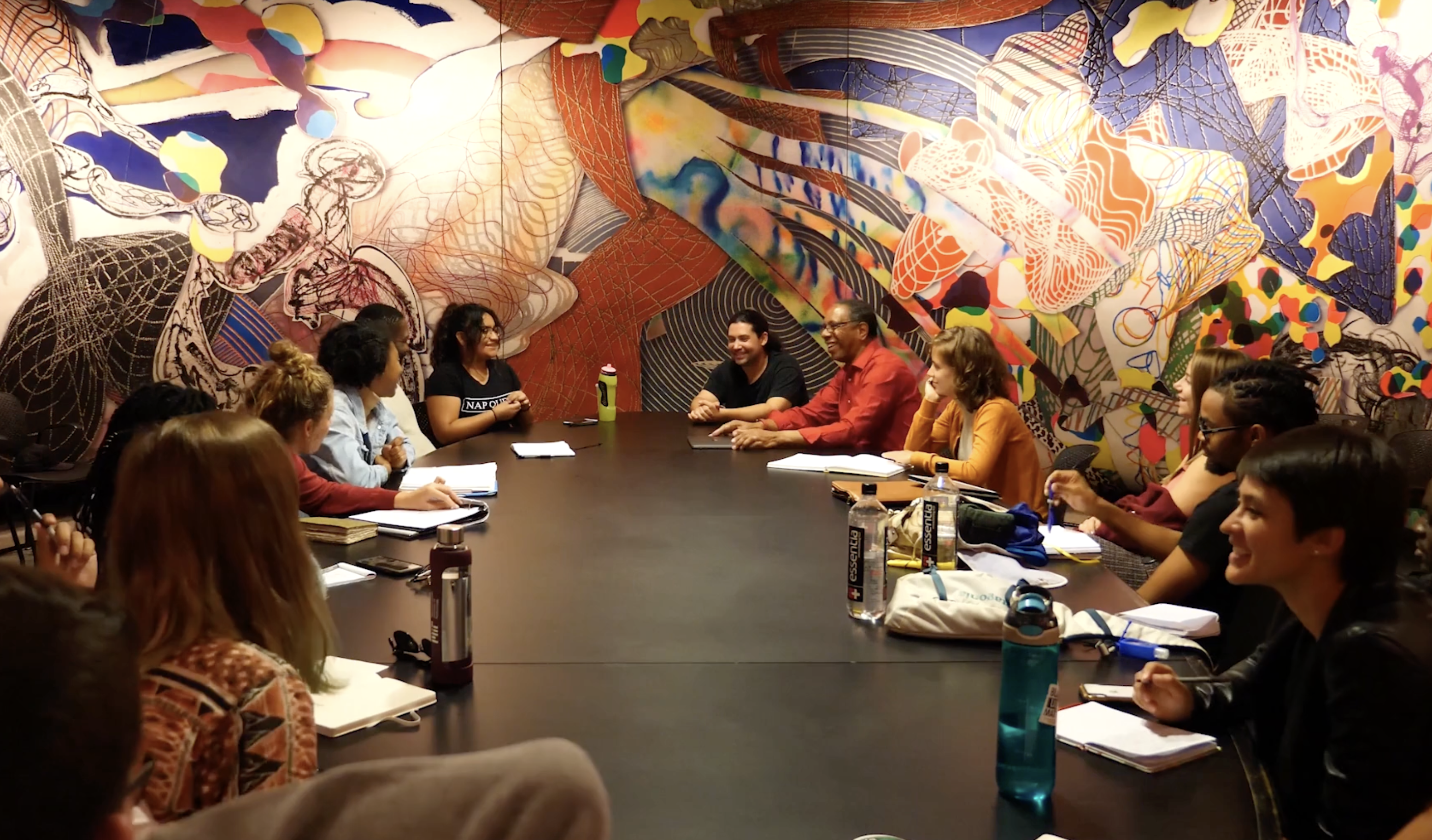
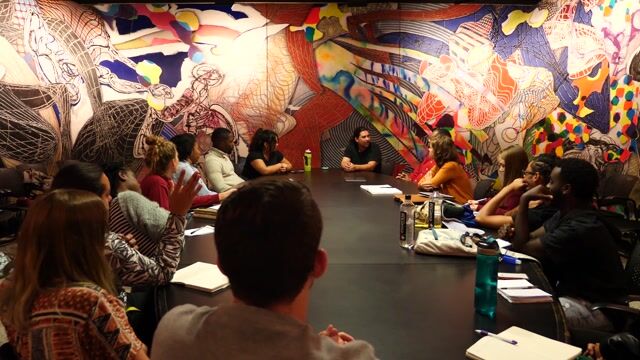
Facilitated dialogue where questions emerge through collective reflection and shared listening.
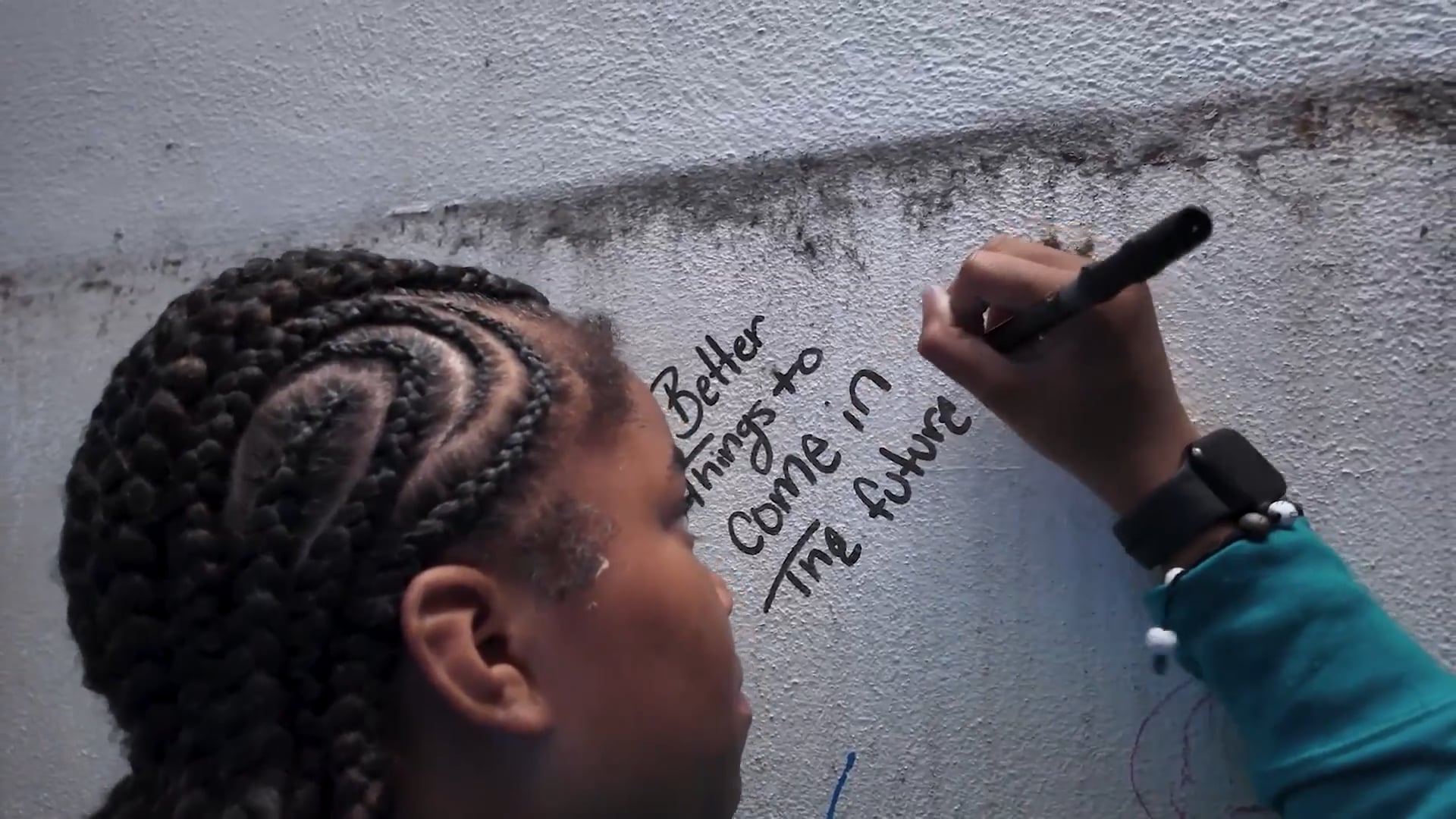
Text, audio, image, or video, accessible anywhere, in multiple languages, at any pace.
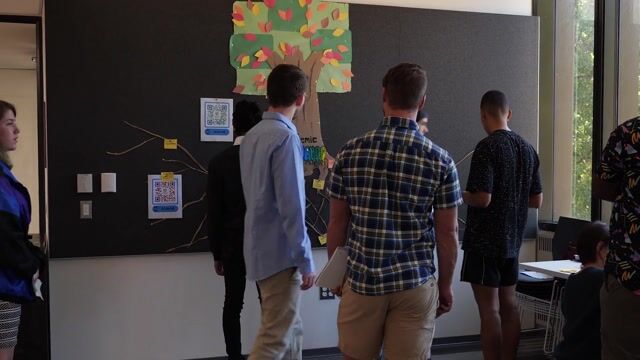
A phone handset, a postcard, a QR code — low-barrier, analog-feeling entry points that meet people where they are.
What we're building, why it matters, and how communities across America are already part of something larger than any single question.
Not a poll. Not a survey. An invitation to reflect — and then to be heard across time and distance by people carrying versions of the same thing.
A New Kind of Evidence
We begin in America — but the questions don't stop at any border. International voices are already in the archive, appearing at the map's edges as the community grows. Scale the voices and watch the network come alive.
Hover any community to hear its question. The map shows who is carrying what — and where voices converge across geography, language, and time.
Long before "counter-mapping" existed, Indigenous peoples created their own spatial knowledge — mapping ancestral territories, seasonal cycles, and spiritual geographies that colonial cartography deliberately erased.
The NAACP mapped the location and frequency of lynchings — not as geography, but as evidence. Their 1919 publication used hand-drawn maps whose shading darkened with each additional murder.
The Student Nonviolent Coordinating Committee mapped networks of power — which officials, corporations, banks, and law enforcement sustained racial discrimination. Not location maps. Maps of how oppression worked.
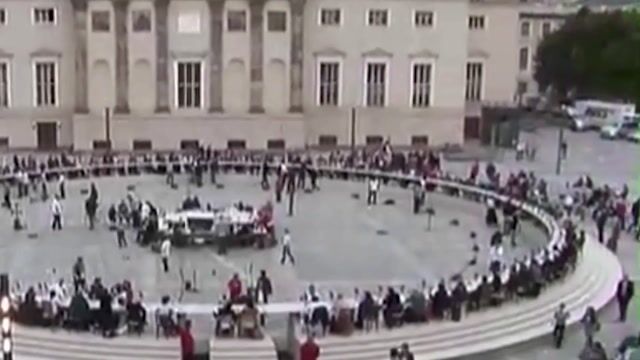
112 thinkers from 48 countries gathered at a single round table and answered 100 of humanity's most urgent questions on film. Nearly 7,000 responses. 800 hours of video. The direct DNA of Our Voices Unbound.
Artist Tonika Lewis Johnson paired addresses on racially divided sides of the same Chicago street — exposing how segregation remade an entire city. The Folded Map Project became a mirror, and a meeting point.
And now this. Not land, not infrastructure — but how communities think, feel, imagine, and carry questions for the future. A new cartography for a new moment. Beginning in America's 250th year.
A question that emerges from community dialogue. A voice recorded alone at midnight. A postcard dropped in a box. Every entry point feeds the same infrastructure, designed to surface resonance and return something transformative.
A community gathers and speaks together. A person picks up a phone handset. A postcard opens a portal. Every door feeds the same archive.
The interpretive engine surfaces what the voice carries beneath what it says — returning the shape of a community's thinking back to the community itself.
Questions find their neighbors across distance, language, and time. Clarksdale echoes Berlin 2006. Providence finds Parramore. The archive becomes a living network.
A mirror returns — not a report written about the community, but a reflection of what they're already carrying. What's converging. What hasn't been named yet.
Documented civic intelligence that institutions cannot reduce to anecdote. A living record that grows past every election cycle — and belongs to the communities that built it.
The map is not just a visualization. It is infrastructure, the kind that lets communities see themselves, recognize each other, and act.
Partner organizations receive a civic map built from their own voice. What did your community ask? Where do your questions connect with others you've never spoken to? The insight doesn't belong to us — it came from them.
Communities that have never met, discovering they carry the same unspoken question. That recognition: seeing your questions reflected in communities across the country — is itself a form of power that no algorithm can manufacture.
A question asked in a Providence neighborhood in 2026 can surface its echo from Berlin in 2006. The archive speaks to the present. The present speaks back. Sensemaking across twenty years of collective civic memory.
Imagine a debate where a moderator draws from questions that emerged from thousands of community gatherings, not filtered through a network's agenda. Imagine a candidate tracking the pulse. Imagine a foundation that can no longer claim not to know.
Art, documentary fragments, audio pieces generated from community questions — belonging to the communities that made them. Not extracted for someone else's story. Their own.
September 9 is the ignition point. The questions don't stop. The network keeps growing. Asili keeps listening. Every new question strengthens the map, and the map keeps returning to the communities that built it.
“No knowledge is an island.”
Our Voices Unbound
Partner organizations bring what their communities already carry — questions shaped by lived experience, history, and survival. What comes back isn't a report written about your community. It's a mirror built from your own knowledge, connected to others carrying the same weight across distance.
Joining does not mean surrendering what your community has built. Partner organizations retain full control, past and present, and decide what surfaces publicly, what remains within the partner network, and what stays entirely internal. Participants set their visibility at the point of submission.
Synthesis that feeds the next conversation — richer because it's grounded in what the community already knows.
Pattern maps surfacing what people carry that nobody has named out loud yet — and where the convergence points are.
Content generated from community questions — art, documentary fragments, audio — belonging to the community that made it.
Documented civic intelligence that institutions and elected officials cannot dismiss as anecdote or constituency pressure.
A view across time — how your questions have moved, deepened, or held steady through years of documented conversation.
What we're building is movement infrastructure rooted in relational knowledge, not what people can be convinced to believe, but what they already know, made legible enough to move.
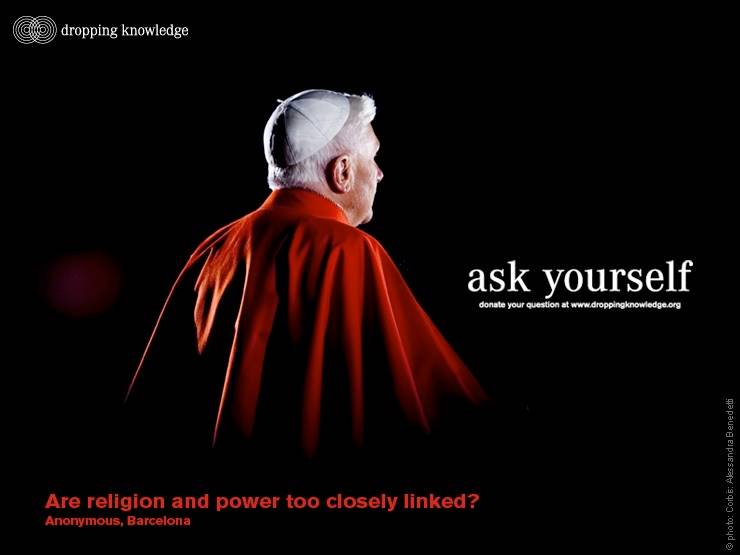
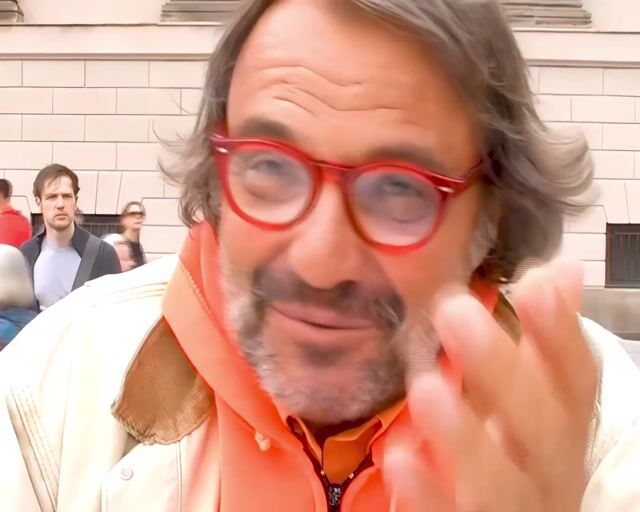
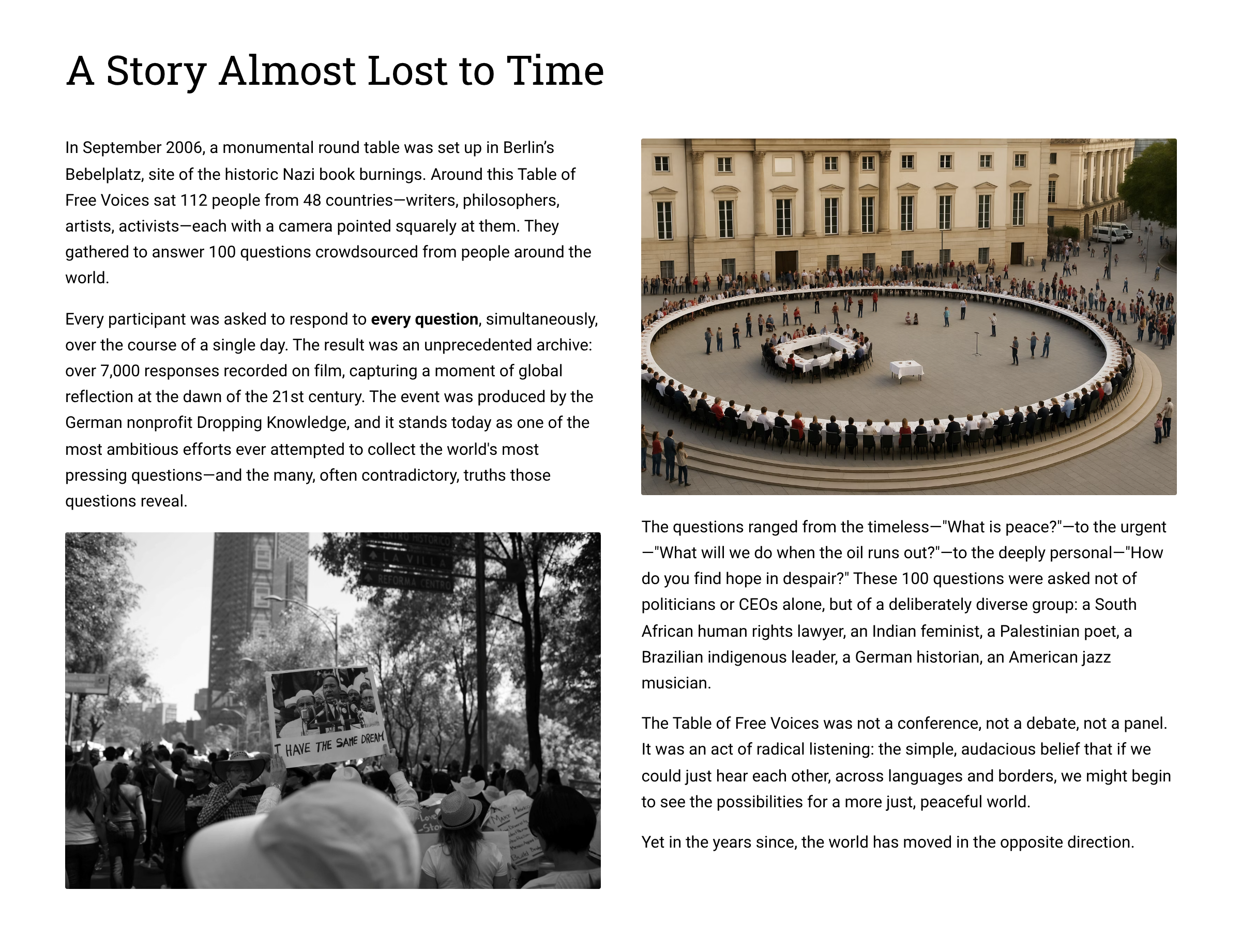
In 2006, at Berlin's Bebelplatz, 112 thinkers from 48 countries gathered at a single 50-meter round table — answering 100 questions submitted by more than 30,000 people. It was one of the most ambitious experiments in collective human sensemaking ever attempted. The archive it generated — nearly 7,000 responses, 800 hours of video — became the founding layer of what we are building now.
Every question entering Our Voices Unbound today joins that archive, dated, located, specific, in live dialogue with what was said twenty years ago in Berlin. A question from a neighborhood in 2026 can surface its echo from 2006. That temporal thread is not decoration. It is the architecture.
"All powerful nations come and go; all empires ebb and flow."
— Cornel West · Table of Free Voices, Berlin 2006
Twenty years of work, one question, and the infrastructure to make it matter. Ten slides that tell the story of how we got here — and why September 9, 2026 is the moment.
Our Voices Unbound is not a sequel. It is a continuation.
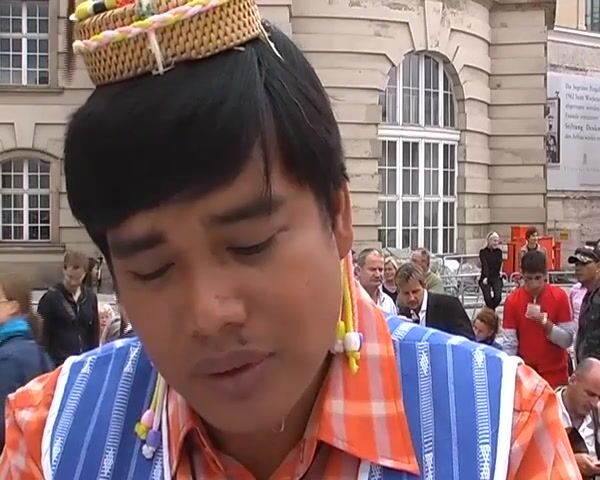
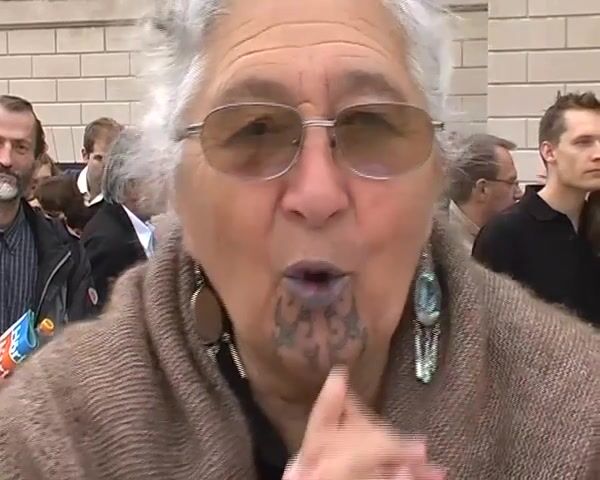
Below: four voices from the 2006 Table of Free Voices — each responding to a single question put to 112 thinkers from 48 countries. This is the archive OVU is built on.
The question they were asked:
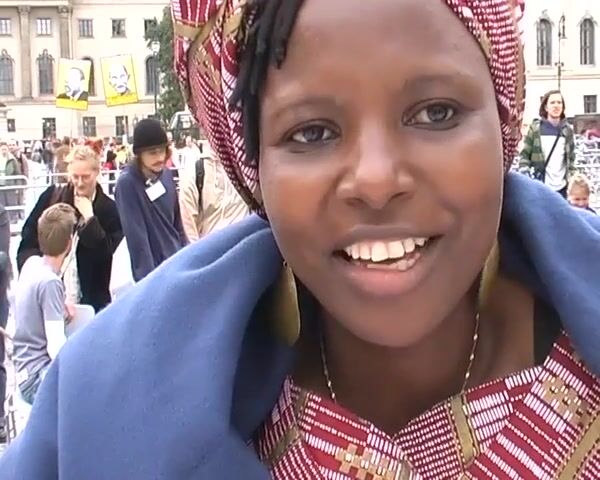
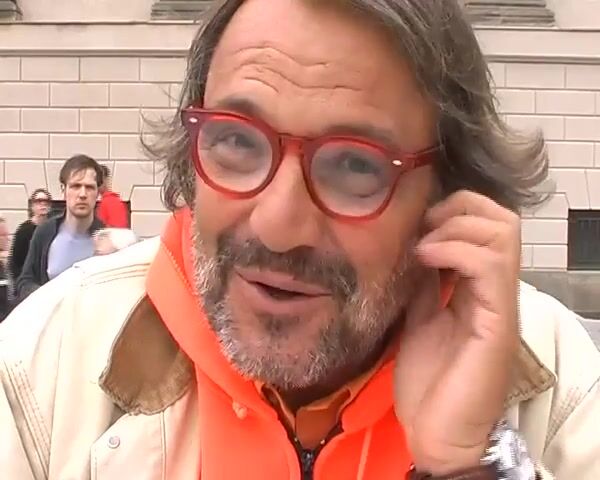
In 2026, twenty years after Berlin, we build on that foundation, bringing the same spirit of radical listening into neighborhoods, community centers, classrooms, and streets across America and the world.
Swahili: origin, essence, the root nature of a thing
"The knowledge is always there. Surfacing it is the work."
Most technology that touches communities extracts from them. Asili was built to do the opposite: to listen for what communities already carry, and return what it finds to the people who generated it. Not a report written about them. A mirror made from their own words.
What a community says on the surface is rarely the whole story. Asili is built to hear what lives underneath — the question beneath the stated question, the shared weight beneath the stated position. It doesn’t generate. It doesn’t produce synthetic voice or simulate what communities might say. It reveals what they already said, in ways they may not have been able to articulate themselves.
Non-generative. Non-extractive. Revelatory.
Generative AI puts words in people’s mouths. Asili listens to what they actually said and shows you the shape of their thinking. It only listens to what a community has actually said — nothing else, nothing added. What it surfaces belongs to the people who generated it — always, without exception.
Every voice carries more than its words. Where someone stands in time. How they hold the people around them. What they’re actually protecting. The kind of knowing they trust. Asili reads for these patterns across a community’s full body of speech — not to categorize, but to reveal the cognitive architecture underneath.
The question beneath the question. People rarely say the thing they're most worried about directly. Asili surfaces what lives underneath the stated position — the grief beneath the demand, the longing beneath the complaint, the shared weight that no one has named out loud yet because no one was listening at this depth.
Recognition across distance. Communities that have never met, carrying the same unspoken question. When Asili finds this convergence, it isn't manufacturing connection — it's revealing that the connection was already there. The knowledge was always inside the communities. It just hadn't been surfaced.
A living record that belongs to the community. Not a report written about them by someone else. Not a score. What Asili surfaces goes back to the source — so communities can see themselves clearly, track how their thinking evolves over time, and decide what to do with what they find.
Community sovereignty is not a feature. It is the foundation this was built on. Every community controls what it contributes, what it shares, and what remains private. Always. Without exception.
Asili™ is a product of inknow.ai LLC
We're building this with organizations, researchers, filmmakers, and community leaders. If you want to partner, collaborate, or just find out more — reach out.
The community question portal opens September 9, 2026.